Stake, Speed and Stamina: A Cautious 2026 Session Planner for UK Slots, Roulette and Blackjack

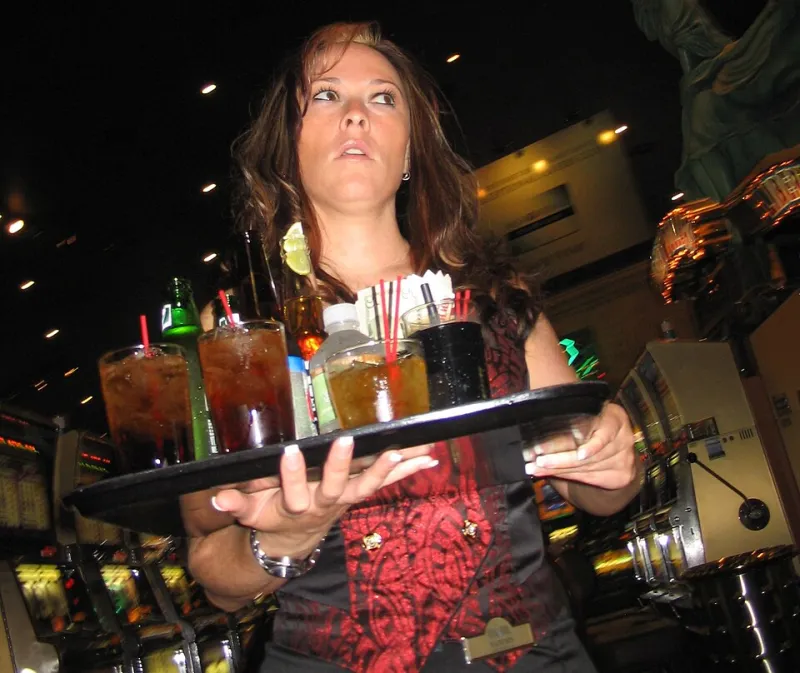
Photo: Basher Eyre , CC BY-SA 2.0, via Wikimedia Commons
A £100 bankroll can last for a few minutes or for several hours depending on the game, the stake and the speed of play. That is why a session plan should not begin with a bonus figure or a target win. It should begin with a fixed amount the player can afford to spend, a stake size that keeps the session within that amount, and a stopping point that is decided before the first spin or deal. This planner sets out how stake size, session length, volatility and game speed interact across UK slots, roulette and blackjack. It is general information, not financial or gambling advice, and it is written for adults aged 18 or over.
The four levers of a session budget
A session budget is shaped by four practical levers. The first is the bankroll: the money set aside for the session, separate from bills, savings and credit. The second is the stake: the amount risked per spin, bet or hand. The third is speed: the number of rounds per hour. The fourth is volatility: the size and frequency of swings, especially on slots. A simple planning sum is bankroll divided by stake, which gives the number of stake units available if the player never changes the stake. That sum is not a prediction. It is a way to see how quickly a session can move.
Expected loss is a separate long-run guide. It is total amount wagered multiplied by the house edge. It does not describe what will happen in one session, because variance can produce very different short-term results. It does, however, show why speed and stake size matter: the more rounds played and the larger the stake, the more the long-run cost of the game is amplified.
Slots: volatility and spin speed
Slots can be fast. A player may complete several hundred spins in an hour, and features such as turbo mode can increase that pace. With a £100 bankroll and a £0.20 stake, there are 500 stake units available. At an illustrative 600 spins per hour, that is about 50 minutes of play if the stake remains flat and the bankroll is not topped up. At £0.50 per spin, there are 200 units; at the same speed, that is about 20 minutes. The difference is not a recommendation to choose the lower stake. It is a demonstration of how quickly the same bankroll can be exposed.
Volatility changes the experience. A high-volatility slot may produce long runs without a meaningful return and occasional larger wins. A low-volatility slot may produce more frequent but smaller swings. RTP, usually expressed as a long-run percentage, does not guarantee a session result. A cautious plan sets a stop-loss before play, such as £30 of the £100 bankroll, and a time limit, such as 45 minutes. If either is reached, the session ends. Autoplay or turbo features should be used with particular care, because they reduce the natural pauses in which a player might reconsider.
Roulette: outside bets and house edge
Roulette is slower than many slots, but the stake size can be larger. On a European single-zero table, the house edge is about 2.7%. A player staking £1 per spin at an illustrative 60 spins per hour is wagering £60 per hour, with an expected long-run loss of about £1.62 per hour. At £5 per spin, the amount wagered rises to £300 per hour, with an expected long-run loss of about £8.10 per hour. Those figures are averages over a long period, not a forecast for an evening.
A £100 bankroll with £5 bets has 20 stake units. That is a short session if the bets are flat and losses arrive early. A stake cap of 1% to 2% of the session bankroll would be £1 to £2 in this example, which is more cautious than £5. Outside bets such as red or black may feel steadier than inside bets, but they do not remove the house edge. The plan should include a stop-loss and a break schedule, especially if the player is tempted to increase the stake after a loss.
Blackjack: speed and decisions
Blackjack can be fast, with 60 to 80 hands per hour at a busy table. Basic strategy reduces the house edge to roughly 0.5% on many rules, but errors increase it. A £5 hand at 70 hands per hour represents £350 wagered per hour, with an expected long-run loss of about £1.75 if basic strategy is followed. A £100 bankroll at £5 per hand is 20 units, which can be a brief session if several hands are lost in succession. Side bets often carry a much higher house edge and should be treated as a separate risk.
A cautious blackjack plan sets a flat stake, avoids increasing bets to recover losses, and decides in advance whether doubling and splitting are within the session budget. If the player is unsure about basic strategy, a lower stake and a shorter session are more sensible than trying to learn at a higher cost.
Worked examples at a glance
| Game | Bankroll | Stake | Illustrative rounds per hour | Stake units | Stop-loss |
|---|---|---|---|---|---|
| Slots | £100 | £0.20 | 600 | 500 | £30 |
| Slots | £100 | £0.50 | 600 | 200 | £30 |
| Roulette | £100 | £1 | 60 | 100 | £30 |
| Roulette | £100 | £5 | 60 | 20 | £30 |
| Blackjack | £100 | £5 | 70 | 20 | £30 |
The table is illustrative. It shows how stake size changes the number of units available, not how long a bankroll will certainly last. Variance can shorten or lengthen any session.
Stop-loss prompts before and during play
Before play, ask: is this money separate from rent, bills and savings? Have I set a fixed bankroll? Have I set a stake cap? Have I set a time limit? Have I decided what happens when I reach the stop-loss? Am I tired, upset or trying to solve a financial problem through gambling? If any answer is unclear, the session should wait.
During play, ask: have I reached my stop-loss? Have I broken my stake cap? Am I increasing bets to recover losses? Have I taken a break in the last hour? Have I been playing longer than planned? A 'yes' to any of these is a prompt to stop, not to continue with a different game.
The Nipon slow-play template
The Nipon slow-play template is a pre-session record. It can be written on paper or kept in a notes app. Fill in the date, the session bankroll, the maximum stake, the maximum session time, the stop-loss, an optional stop-win, the break interval and the payment method. For example: £100 bankroll, £0.50 maximum stake on slots, 45 minutes, £30 stop-loss, £20 stop-win, a break at 20 minutes, debit card only, no credit and no bonus chasing. During the session, use a timer and keep the stake flat. After the session, record the time spent, the amount spent and the mood. The record is not a scorecard of wins and losses; it is evidence of whether the plan was followed.
Why chasing losses is a planning failure
Chasing losses is the attempt to recover money by increasing stakes or extending play beyond the plan. It is an emotional response, not a strategy, and it turns a fixed budget into an open-ended commitment. A pre-committed stop-loss is more useful than a target win because it protects the bankroll from decisions made in the moment. If the stop-loss is reached, the session should end. Withdrawal reversal options and stored payment details can make it easier to continue, so a cautious player may choose to remove saved cards or use a separate account for gambling spending.
Control is the aim, not excitement at any cost. Adult players should set limits before play, take breaks, and stop when the plan says stop. Anyone worried about their gambling can contact GamCare, BeGambleAware or the National Gambling Helpline for confidential help.