Gold in the Cracks: A Cautious UK Casino Budget Repair Guide for 2026
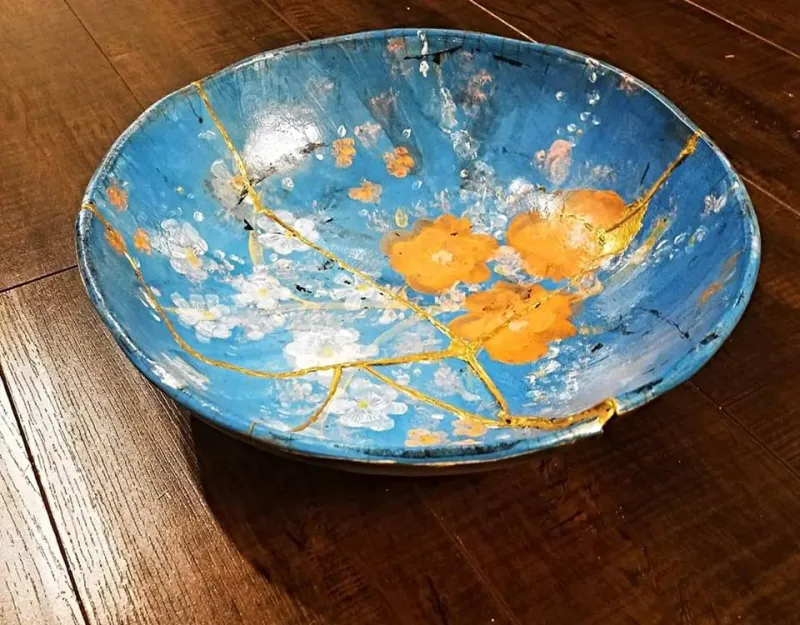
Photo: Ruthann Hurwitz, CC BY-SA 4.0, via Wikimedia Commons
Kintsugi is the Japanese art of repairing broken pottery with lacquer and gold. The repair does not pretend the break never happened. The crack remains visible, often more beautiful for having been acknowledged. A casino budget can be approached in the same spirit. A slip is not a secret to bury. It is information to record, repair and learn from.
This guide is written for UK adults in 2026 who feel that their gambling budget has moved beyond the boundaries they intended. It is not a clinical programme and it does not replace professional support. It is a practical, cautious way to respond before another deposit is made. At Nipon Casino, our editorial position is that repair should be honest, slow and visible.
The crack is part of the record
The first instinct after a budget slip is often to minimise it. The loss was small, the session was unusual, the next win will balance it. Kintsugi offers a different posture. The break is not erased. It is examined, filled and marked. For a bankroll, that means replacing private reassurance with a written record.
Hiding the crack makes it weaker. A player who does not know the true size of the loss cannot set a sensible limit. A player who does not know the trigger cannot avoid it. The repair begins with facts rather than self-judgement.
First, write the true ledger
Set aside time to record what actually happened. Use bank statements, payment records and the casino account history. List deposits, withdrawals, net loss and the hours spent. Note the dates and the payment methods used. Then add a separate column for context: what was happening before the session, what you expected, and what you felt afterwards.
Keep the numbers plain. Do not round them down or describe them as not really spending. The ledger is not a punishment. It is the gold line that makes the break visible. If the total is uncomfortable, that discomfort is useful evidence, not a reason to stop writing.
Second, stop the flow before redesigning the plan
A repair cannot begin while more material is being added to the break. Pause deposits. Use the site's cooling-off or time-out tool if one is available. Remove saved payment methods where possible. Consider a bank block on gambling transactions, and use GAMSTOP if self-exclusion is the appropriate route.
A pause of twenty-four to seventy-two hours is a minimum, not a target. Some readers will need longer. The purpose is not to prove willpower. It is to create enough distance to make decisions without the pressure of an open session. If the urge to deposit is strong, the pause should be longer and support should be brought in sooner.
Third, reset limits from evidence, not optimism
Once the ledger is complete and the pause is in place, set new limits from the evidence. A deposit limit should be based on disposable income after essentials, not on what you hope to win. A weekly cap is often more useful than a daily cap because it covers the whole pattern. If the operator offers loss limits or time limits, use them as well.
Make the limit low enough to be boring. A limit that still allows a significant loss is not a repair; it is a smaller version of the same crack. Remember that many UK sites apply a delay to limit increases. That delay is a safeguard, so plan around it rather than trying to undo it.
Do not borrow to gamble and do not treat credit as part of the budget. If debts are already part of the picture, seek separate money advice from a service such as StepChange or National Debtline. Gambling support and debt support can run alongside each other.
Fourth, add support that sits outside willpower
A repaired budget should not rely on resolve alone. Use the tools that sit outside the session. Set deposit limits, time-outs and self-exclusion where needed. Add bank controls and payment blocks. Use GAMSTOP if you want a UK-wide self-exclusion. Contact GamCare or BeGambleAware for confidential advice, and speak to a trusted person if it is safe to do so.
Support is not an admission that the plan has failed. It is part of the plan. Kintsugi is not a solitary craft in the sense that matters here: the repair is stronger when the break is acknowledged to someone else. If gambling is affecting health, work or relationships, NHS services can also be part of the picture.
Fifth, decide the return question separately
After a pause, readers face a separate question: return with firmer boundaries or step away entirely. Neither answer is a failure. A cautious return should have conditions. Essentials are paid. No money is being hidden. The new limits have held during the pause. There is a plan for what to do when an urge appears.
If those conditions are not met, stepping away is the safer repair. If a return is chosen, begin with small, fixed sessions and avoid bonus offers that distort the budget. Review the decision after a month. A return that depends on chasing a previous loss is not a return; it is the same break reopening.
Maintenance: keep the gold line visible
A repaired budget needs maintenance. Review the ledger monthly. Check that limits still match income and commitments. Notice whether sessions are getting longer or deposits are becoming more frequent. If the crack reappears, repeat the earlier steps without shame. The aim is not a perfect pot. It is an honest repair that holds.
For UK adults, the most cautious approach is to treat a budget slip as a signal rather than a verdict. Record it, pause, reset, involve support and decide the next step with clear eyes. Casino gaming should only ever use money and time that can be comfortably afforded. Readers aged 18 and over who need help can contact GamCare, BeGambleAware or GAMSTOP.